5 HVAC Troubleshooting Steps Every Property Manager Should Know
As a property manager, managing a multi-unit facility means balancing resident comfort with operational costs. When an HVAC unit fails, the immediate question is: Can my maintenance tech fix this, or is it time for a professional?
Misdiagnosing an HVAC issue can lead to expensive downtime or even total system failure. To help you protect your assets, we’ve created this definitive guide on what your on-site team can safely handle and when you need to call Imperium Heating & Cooling.
On-Site HVAC Maintenance: 5 Things to Check Before Calling
Before booking a service call, have your maintenance team perform these basic checks. These steps require no specialized HVAC tools and can often solve minor connectivity or airflow issues.
1. Thermostat Power & Settings
Before assuming the unit is broken, check the "brain." Confirm the thermostat is set to the correct mode (Heat or Cool) and the setpoint is actually calling for air. If the screen is blank, replace the batteries. This simple fix solves a surprising number of "no power" complaints.
2. Electrical Breakers & Disconnects
Check the property’s electrical panel. If the HVAC breaker has tripped, reset it once. Additionally, ensure the service disconnect near the outdoor unit is fully seated. If the breaker trips a second time, stop immediately; this indicates an electrical short.
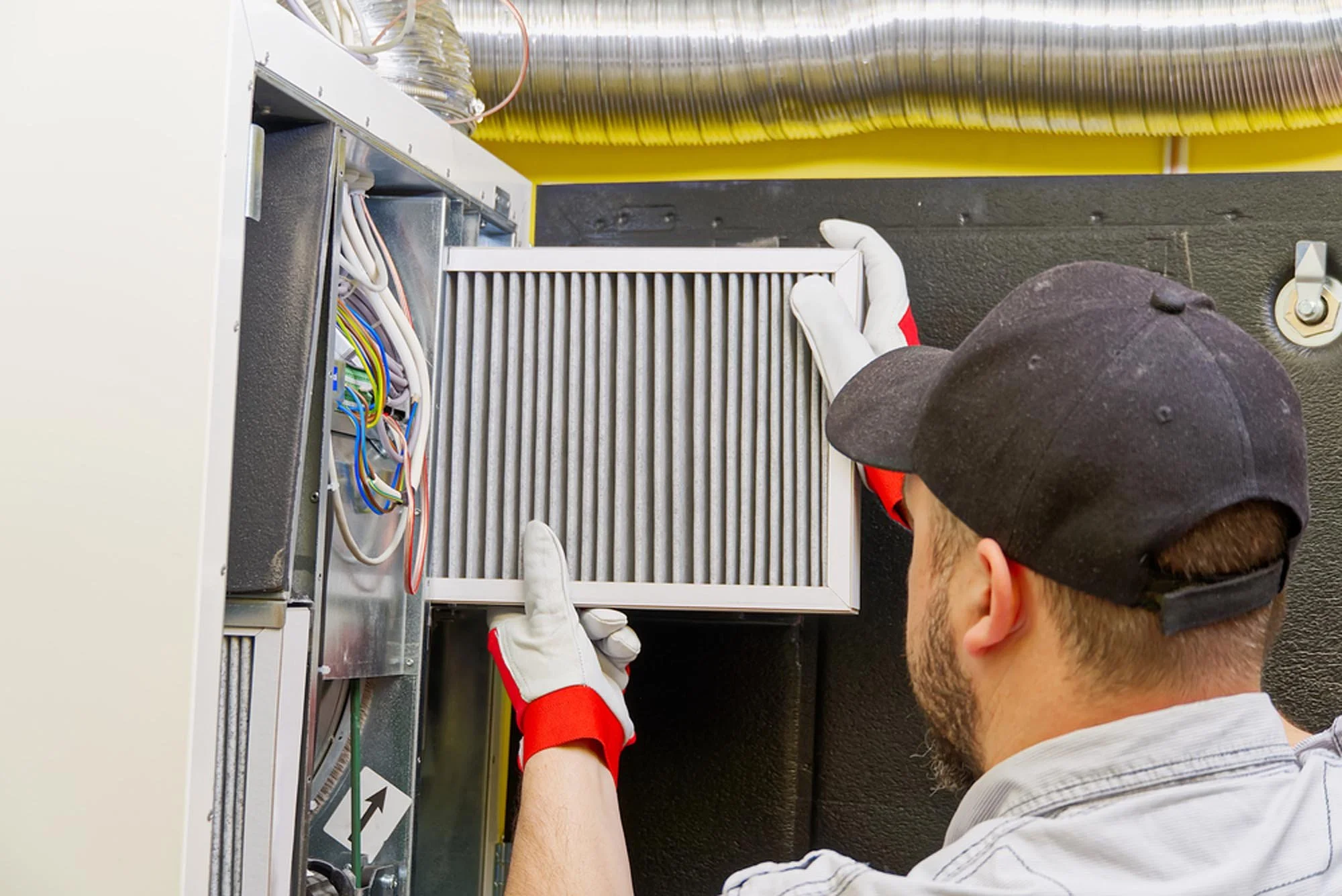
3. Air Filter Health
A clogged filter "suffocates" the system, leading to frozen coils or total shutdowns. Ensure your team is replacing filters regularly. A fresh filter restores the static pressure needed for the system to breathe and function efficiently.
4. Outdoor Condenser Clearance
Airflow is just as important outside as it is inside. Ensure that leaves, snow, or trash haven't built up around the condenser unit. Clear at least two feet of space around the perimeter to allow for proper heat exchange.
5. Condensate Drain Lines
Check the drain pan for standing water or the PVC lines for visible clogs. If the drain line is backed up, many modern systems have a safety switch that will shut the entire unit down to prevent water damage.
When to Stop: Signs You Need Professional HVAC Repair
If basic troubleshooting doesn’t resolve the issue and any of the following are present, stop work and call Imperium. At this point, continued DIY efforts risk significant system damage.
Electrical & Mechanical Red Flags
Recurring Breaker Trips: If the breaker trips immediately after a reset, there is a serious electrical short.
Abnormal Noises: Grinding, screeching, or metal-on-metal sounds indicate a failing motor or compressor.
Burning Odors: Any "electrical fire" or ozone smell should result in an immediate system shutdown.
Performance & Safety Issues
Short-Cycling: If the unit cycles on and off rapidly, it may be a failing sensor or a refrigerant leak.
Icing Up: Ice on the copper refrigerant lines or indoor coils is a sign of a professional-level mechanical failure.
Environmental Hazards: If you smell gas or notice refrigerant oil leaking, evacuate the immediate area and call for emergency service.
Why Partnering with Imperium Heating & Cooling Matters
In commercial and multi-family properties, HVAC failures carry higher risk and higher cost. Forcing a failing unit to run can lead to burned-out compressors and fried control boards, turning a $300 repair into a $10,000 replacement.
The most effective way to protect your bottom line is to move from reactive "firefighting" to a proactive strategy. We developed the IMPERIUM SHIELD™ protection program specifically to give St. Louis property managers peace of mind.
Through the IMPERIUM SHIELD™ program, we can help you:
Minimize Financial Risk: Catch small issues before they become budget-breaking capital expenses.
Boost Tenant Satisfaction: Reliable climate control is the #1 way to reduce complaints and improve resident retention.
Extend Equipment Life: Ensure your high-end systems reach their full potential through expert, consistent maintenance.
[Learn more about our specialized maintenance services] to see how a proactive HVAC plan can improve efficiency, reliability, and long-term asset performance.